
Damage to your car does not always look serious at first glance. A small dent or mark may seem cosmetic, but appearances do not always tell the full story. Some dents affect only the outer panel, while others interfere with the structure beneath. Knowing the difference helps you decide what action to take and protects both safety and value.
Understanding how dents behave gives you clarity after an impact. It helps you avoid driving a vehicle with hidden issues and prevents minor damage from becoming a larger repair later. This guide explains the difference between cosmetic dents and structural damage in clear terms, so you know where you stand.
What Is A Cosmetic Dent?
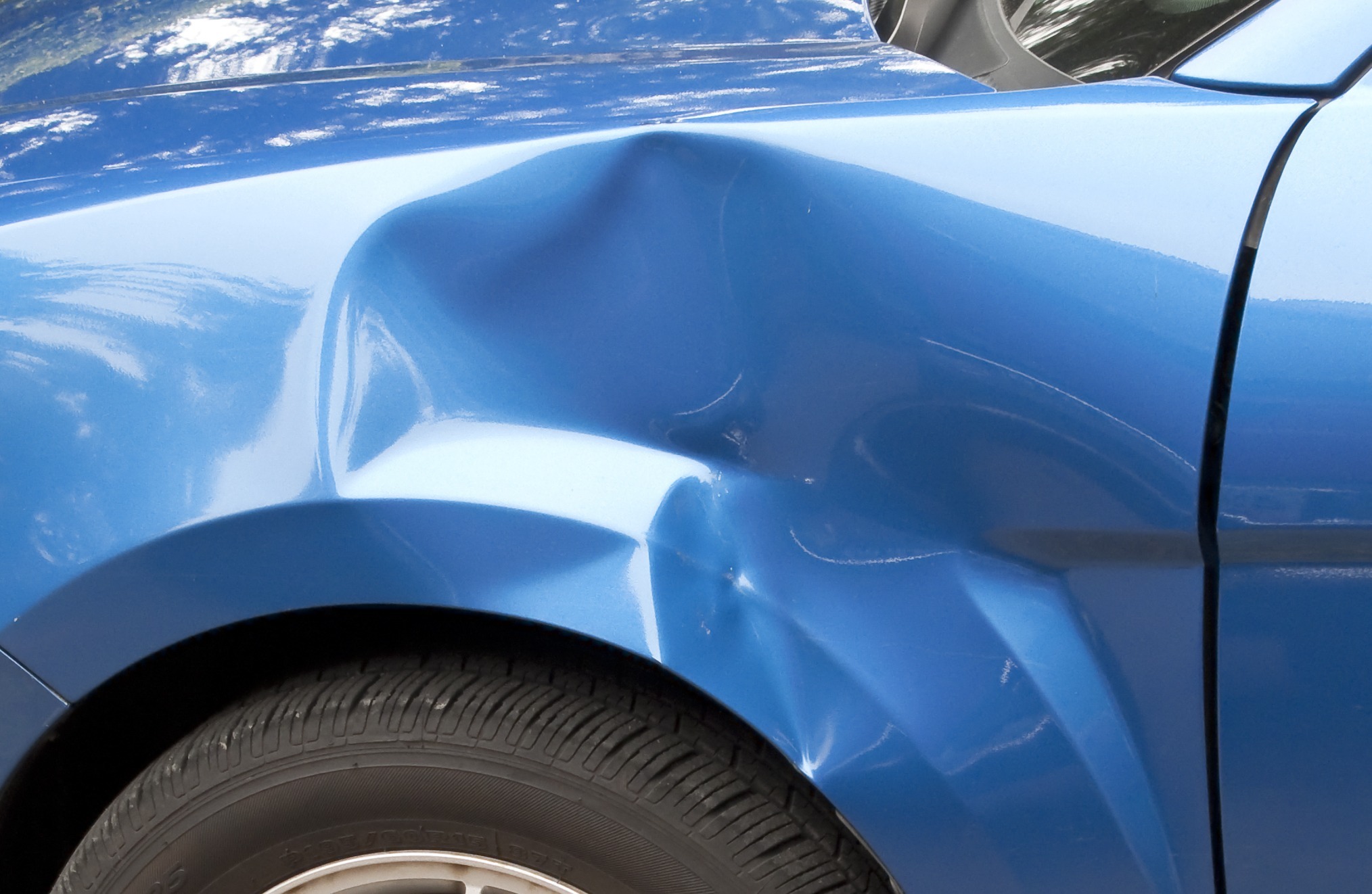
A cosmetic dent affects the outer surface of the vehicle without changing its structural integrity. These dents usually appear on doors, wings, boot lids, and panels that do not play a role in supporting the vehicle frame. The metal or panel bends inward but does not shift mounting points or load-bearing areas.
Cosmetic dents often occur in car parks, tight spaces, or from low-speed contact. Trolleys, doors, and minor bumps cause this type of damage. In many cases, the paint remains intact or shows only light marks. The panel shape changes, but the vehicle continues to function as normal.
Although cosmetic dents do not affect how the car drives, they still matter. Left untreated, they affect appearance, resale value, and paint protection. They also give moisture a chance to reach exposed metal if the paint cracks later.
What Causes Cosmetic Dents?
Most cosmetic dents come from everyday situations. Car doors opening into each other, low-speed contact with posts, or light bumps in traffic create shallow dents. Hail damage also causes cosmetic dents across flat panels without affecting the structure underneath.
These dents usually sit in areas designed to absorb minor impacts. The panel flexes and deforms without transferring force deeper into the vehicle. This design helps protect the structure but leaves visible damage behind.
Cosmetic dents vary in size and depth. Some appear small but spread across a wider area once light hits the panel. Others look deep but remain limited to the surface layer.
What Is Structural Damage?
Structural damage affects parts of the vehicle that support its shape, safety systems, and alignment. This includes the chassis, frame rails, pillars, crumple zones, and mounting points. When these areas move, bend, or shift, the integrity of the vehicle changes.
Structural damage usually results from higher-impact collisions. Road accidents, kerb strikes at speed, or heavy impacts cause force to travel beyond the surface panel. The damage may not always look dramatic on the outside, but the underlying structure absorbs and redirects the energy.
Once the structure changes, the vehicle no longer behaves as designed. This affects handling, safety performance, and how the car reacts in another collision.
How Can You Tell The Difference After An Impact?
Visual checks offer early clues, but they do not tell the full story. Cosmetic dents usually appear isolated to one panel and do not affect panel gaps or door alignment. The door opens and usually closes, and surrounding panels remain unchanged.
Structural damage often causes misalignment. Doors may feel stiff, panels may sit unevenly, and gaps between panels may change. The steering may pull to one side, or the vehicle may feel unsettled while driving.
Noise also matters. New rattles, creaks, or vibrations after an impact suggest deeper issues. These signs indicate movement beyond the outer panel and need professional inspection.
Why Cosmetic Dents Still Deserve Attention
Cosmetic damage does not affect safety, but it still needs attention. A dent weakens the paint layer, exposing the metal underneath to stress. Over time, temperature fluctuations and moisture can cause paint to crack or peel.
Once moisture reaches the metal, corrosion starts. Rust spreads beneath the paint, weakening the panel. What began as a cosmetic issue evolves into a more extensive bodywork repair.
Cosmetic dents also affect value. Buyers notice even slight imperfections. A visible dent signals poor care and reduces confidence in the vehicle, even if the mechanical condition remains strong.
Why Structural Damage Is More Serious
Structural damage affects how your vehicle protects you. Modern cars rely on precise structural design to manage impact energy. If the structure changes, that protection no longer works as intended.
Airbags, crumple zones, and safety systems rely on correct alignment. Structural movement interferes with sensor readings and the timing of deployment. This puts occupants at risk in the event of a future collision.
Structural damage also affects tyre wear, steering response, and braking stability. These issues often worsen over time and can lead to higher repair costs if left unaddressed.
Can Cosmetic Dents Hide Structural Damage?
Yes, cosmetic dents can hide deeper issues. A low-speed impact may leave only surface damage, but force still travels through the panel. If the impact occurs near a structural point, such as a door pillar or wheel arch, underlying damage may exist.
Modern vehicles utilise lighter materials that are designed to absorb energy efficiently. These materials deform easily on the surface while protecting the cabin. This makes visual inspection less reliable.
Only a thorough inspection confirms whether the damage is purely cosmetic or affects the structure. Relying on appearance alone risks missing problems that develop later.
How Does Repair Differ Between Cosmetic And Structural Damage?
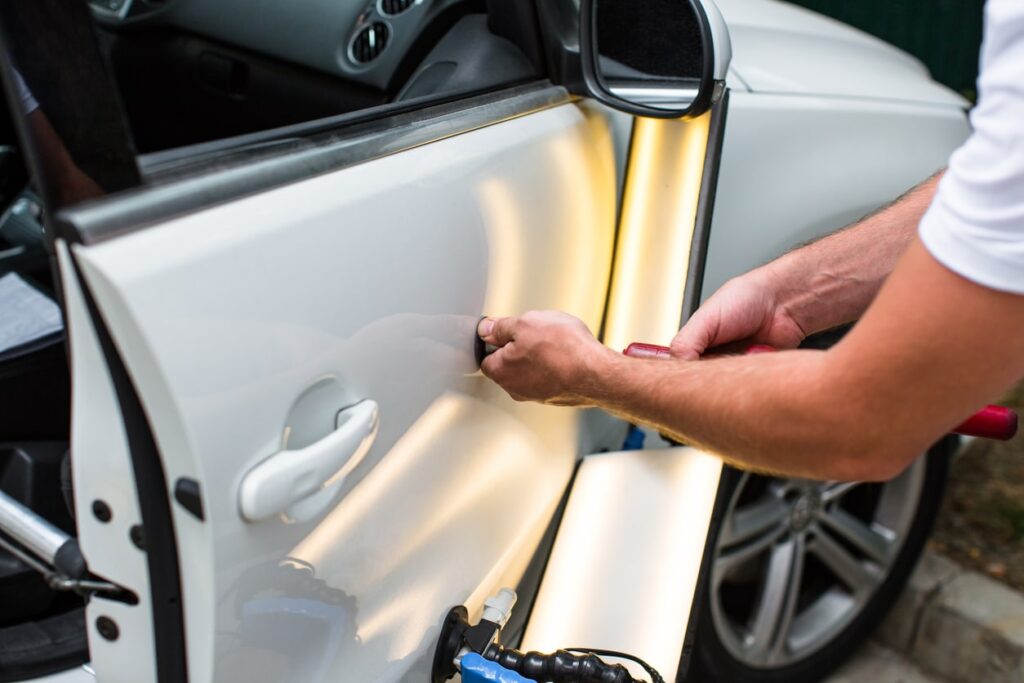
Cosmetic dent repair focuses on restoring the panel shape and finish. Techniques vary depending on paint condition and dent depth. The goal remains to return the panel to its original appearance without affecting surrounding areas.
Structural repair requires specialised equipment and measurement systems. Technicians realign the structure to manufacturer specifications before repairing visible damage. This process ensures the vehicle performs correctly after the repair.
Structural repairs take longer and involve more stages. The accuracy of these repairs determines safety and long-term reliability.
Why Professional Inspection Matters After Any Dent
Professional inspection removes uncertainty. It confirms the extent of damage and identifies issues not visible from the outside. This protects you from unexpected problems later.
Inspection also supports insurance decisions. Knowing whether damage remains cosmetic or structural helps determine the correct repair route and prevents underestimating the work required.
A professional assessment gives you confidence in your next steps. It ensures repairs address the real issue rather than only the visible signs.
When Should You Seek Expert Advice?
You should seek advice after any impact that feels unusual, even if damage appears minor. Changes in handling, alignment, or noise suggest deeper issues.
Impacts near wheels, doors, or pillars deserve inspection. These areas sit close to structural components and transmit force efficiently.
If you plan to sell or keep the vehicle long term, inspection protects value and safety. Early assessment always works in your favour.
Need A Professional Assessment For Dent Damage?
If you are unsure whether a dent is cosmetic or structural, Fleetcare Accident Repair Centre provides professional inspections and repairs. The team assesses the damage accurately and explains the findings clearly, so you understand the condition of your vehicle and the right repair approach. Contact Fleetcare Accident Repair Centre to arrange an inspection and get clear advice you can trust.


