
Car scratches are frustrating, especially when they appear suddenly after a parking mishap, a brush against a wall, a key mark, a bumper scuff, or a low-speed scrape. If your scratch is light, try a few basic steps at home. First, clean the area thoroughly to remove dirt. Next, assess how deep the scratch is. Then, if it is only on the surface, gently polish the area with a suitable scratch remover or polish. More serious damage may need professional repair to restore the paintwork properly.
The right approach depends on how deep the scratch is. Light surface marks may affect only the clear coat, whereas deeper scratches can cut through the paint and primer or even reach bare metal. If the scratch is deep, spreading, exposes primer, or is linked to a dent, it is usually safer to have it assessed by a professional body shop.
At Fleetcare Accident Repair Centre, we repair scratches, bumper scuffs, dents, paintwork damage and accident-related bodywork from our Nottingham body shop. With over 35 years of experience, our skilled technicians are dedicated to providing high-quality repairs and excellent customer care.
Many of our customers recommend us for our friendly service and great results. If you need car scratch repair in Nottingham and the surrounding areas, send your vehicle registration and clear photos of the damage today so we can provide a free estimate.
Can You Remove Scratches from a Car Yourself?
Some light car scratches can be reduced at home if they only affect the clear coat. These marks may improve with a suitable scratch remover, polish, or careful machine polishing.
Deeper scratches are different. If the scratch catches your fingernail, exposes primer or metal, cracks the paint, or runs across more than one panel, a DIY repair may make the damage more visible. Attempting to fix deep scratches yourself can worsen the damage and increase the cost and complexity of professional repair later.
If you find a deep scratch, avoid washing the area or using abrasive products, as this may introduce moisture or worsen the damage. If bare metal or primer is exposed, covering the scratch with masking tape or a clean, dry layer such as clear adhesive film can help protect it from dirt and moisture until a professional can assess it. In those cases, the car may need touch-up paint, colour-matched paintwork repair, respraying, or professional bodyshop repair.
If the scratch looks white, grey, rusty, rough or deep, get it checked before trying to fix it yourself. For broader guidance on what is and is not worth attempting at home, read our guide to DIY car body repairs.
Types of Car Scratches and What They Mean
Before deciding how to remove a scratch from your car, you need to understand what type of scratch you are dealing with. Different scratches affect different paint layers, and each type needs a different repair method.
Clear Coat Scratches
Clear coat scratches affect the top protective layer of the paintwork. These are usually the lightest scratches and may appear as fine white marks, swirl marks or surface scuffs.
If the scratch does not catch your fingernail, it may be possible to reduce it with polish, scratch remover or machine polishing. These scratches are usually the best candidates for attentive DIY improvement.
Paint Transfer and Scuff Marks
Paint transfer occurs when another object leaves material on your car’s surface instead of cutting into the paint itself. This can happen after contact with another vehicle, a bollard, a wall, a post or a painted surface.
Some paint transfer and scuff marks can be removed through cleaning and polishing. However, if the impact has damaged the paint underneath, the area may need a proper scratch repair rather than just surface cleaning.
Primer-Level Scratches
Primer-level scratches cut through the clear coat and colour coat, exposing the primer underneath. These scratches are usually more visible and are unlikely to polish out fully.
If the primer is visible, the repair may call for careful preparation, touch-up paint, or refinishing to restore the surface. Leaving primer-level scratches untreated can make the panel more vulnerable to further damage.
Deep Paint Scratches
Deep paint scratches go through several layers of the paint system and may expose metal or plastic. Because of this, these scratches need professional attention; poor repair can leave uneven paint, visible edges, a risk of rust, or a colour mismatch.
A deep scratch may require sanding, preparation, colour-matched paintwork, a clear coat and polishing. If the scratch is part of wider damage, the panel may also need dent repair or respraying.
Scratches with Dents or Panel Damage
Some scratches are not isolated paint marks. When a scratch is accompanied by a dent, crease, bumper scuff, or damaged panel edge, the repair may involve more than just paintwork.
In these cases, the car may need dent repair, panel preparation or accident repair before the paintwork can be finished correctly. If your scratch was caused by a collision or impact, our accident repair Nottingham team can assess the wider damage.
How to Tell If a Car Scratch Is Too Deep to Polish Out
Checking the scratch properly helps you avoid making the damage worse. Before using any product, clean and dry the area to see the paint’s true condition.
Start by looking closely at the scratch in good light. If it appears to sit on top of the paint, it may be paint transfer or a surface scuff. If it looks like a cut into the paint, it may need more careful repair.
You can also gently run your fingernail across the scratch. If your nail does not catch, the damage may be limited to the clear coat. If your nail catches, the scratch is likely deeper and may not polish out fully.
You should be more cautious if:
- Primer, plastic or metal is visible.
- The paint is cracked, peeling or lifting.
- Rust has started to appear.
- The scratch runs across multiple panels.
- The scratch is close to a dent, a crease, or a bumper scuff.
- The vehicle is leased or due to be sold.
If any of these apply, professional assessment is usually the safer route.
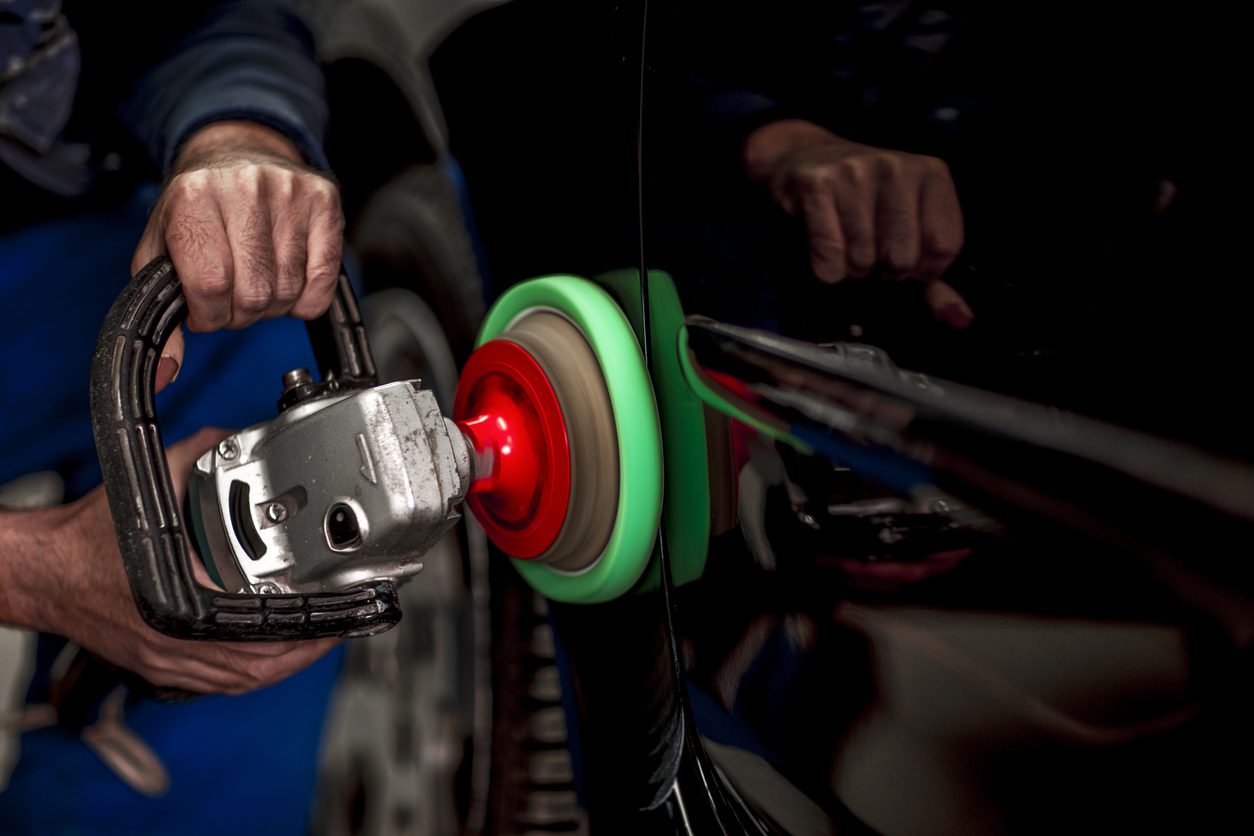
How to Remove Light Scratches from a Car
Light scratches can sometimes be reduced at home, but the key is to work slowly and avoid aggressive products or pressure. Rushing the job can leave swirl marks, haze, or uneven paintwork.
Step 1: Wash and Dry the Area
Clean the scratched area thoroughly using car shampoo and water. Dirt and grit can create additional scratches if rubbed into the paint during polishing.
Dry the area with a clean microfibre cloth before inspecting the damage.
Step 2: Check the Scratch Depth
Use the visual check and fingernail test before applying any product. If the scratch is deep, cracked or exposing primer, do not rely on polish alone.
Step 3: Apply Scratch Remover or Polish
Use a suitable scratch remover, polish, or clear-coat repair product, such as Meguiar’s ScratchX, Autoglym Scratch Remover, Turtle Wax Scratch Repair and Renew, or 3M Scratch Remover. These are widely available and generally safe for most paint finishes. Apply a small amount to a clean microfibre cloth or application pad and work it gently into the affected area.
Avoid using too much product. It is better to apply a small amount carefully than to overwork the paint.
Step 4: Work Gently
Use light pressure and small circular motions. Do not scrub hard, as this can create more marks or remove too much clear coat.
If the scratch does not improve after careful polishing, stop. Continuing to rub the area may worsen the finish.
Step 5: Wipe and Inspect
Wipe the product off with a clean cloth, then check the result in good light. If the scratch has reduced but not disappeared, you may be able to repeat the process carefully.
If the mark remains visible or the paint looks dull, uneven or damaged, it may need professional attention.
Step 6: Protect the Area
Once the scratch has improved, apply wax or paint protection to help shield the surface. This will not repair serious damage, but can protect clear-coat areas after polishing.
To maintain your car’s finish and prevent future scratches, wash it regularly to remove grit and dirt that can cause microscratches. Apply wax every few months for added protection and try to park in sheltered spots away from bushes, shopping trolleys, or other vehicles when possible.
Key Aftercare Tips:
- Wash your car regularly with gentle products to prevent new scratches.
- Apply car wax or paint protection every few months to strengthen the clear coat.
- Avoid automatic car washes with abrasive brushes.
- Park in safe, sheltered places when possible.
- Address bird droppings and tree sap quickly to avoid staining the paint.
Following these steps will help keep your repaired area looking its best and prolong the life of your car’s paintwork.
Do Scratch Repair Pens and Touch-Up Paint Work?
Scratch repair pens and touch-up paint can help with small chips or narrow scratches, but they are not a perfect fix for every type of damage.
The main challenge is colour match. Even when the paint code is correct, age, sunlight, previous repairs, and paint finish can affect how the new paint blends with the existing panel. Metallic, pearl, and matte finishes are especially difficult to touch up because they require specific application methods to achieve an even result. Even a well-matched colour can look different if the finish does not match correctly. Poorly applied touch-up paint can sit raised above the surface or leave a visible mark.
Touch-up paint may be suitable for small, isolated chips or fine scratches where the goal is to reduce visibility and protect the area. It is less suitable for long scratches, wide damage, metallic paint, pearl finishes, or deep gouges across multiple panels.
If the finish matters or the car is a lease vehicle, a professional paintwork repair may be the better option.
Can Toothpaste or WD-40 Remove Car Scratches?
You may see advice online suggesting toothpaste or WD-40 for car scratches. These methods can sometimes change how a light mark looks, but do not properly repair damaged paint.
Toothpaste is mildly abrasive and may reduce the appearance of very shallow clear coat marks. However, it is not designed for automotive paintwork and should not be used on deeper scratches, cracked paint, or exposed primer.
WD-40 may temporarily make light marks less noticeable by adding shine or moisture to the surface, but it does not remove the scratch or repair the paint.
If the scratch is visible after cleaning, catches your fingernail, or has damaged the paint layer, use proper car care products or ask a body shop to inspect it.
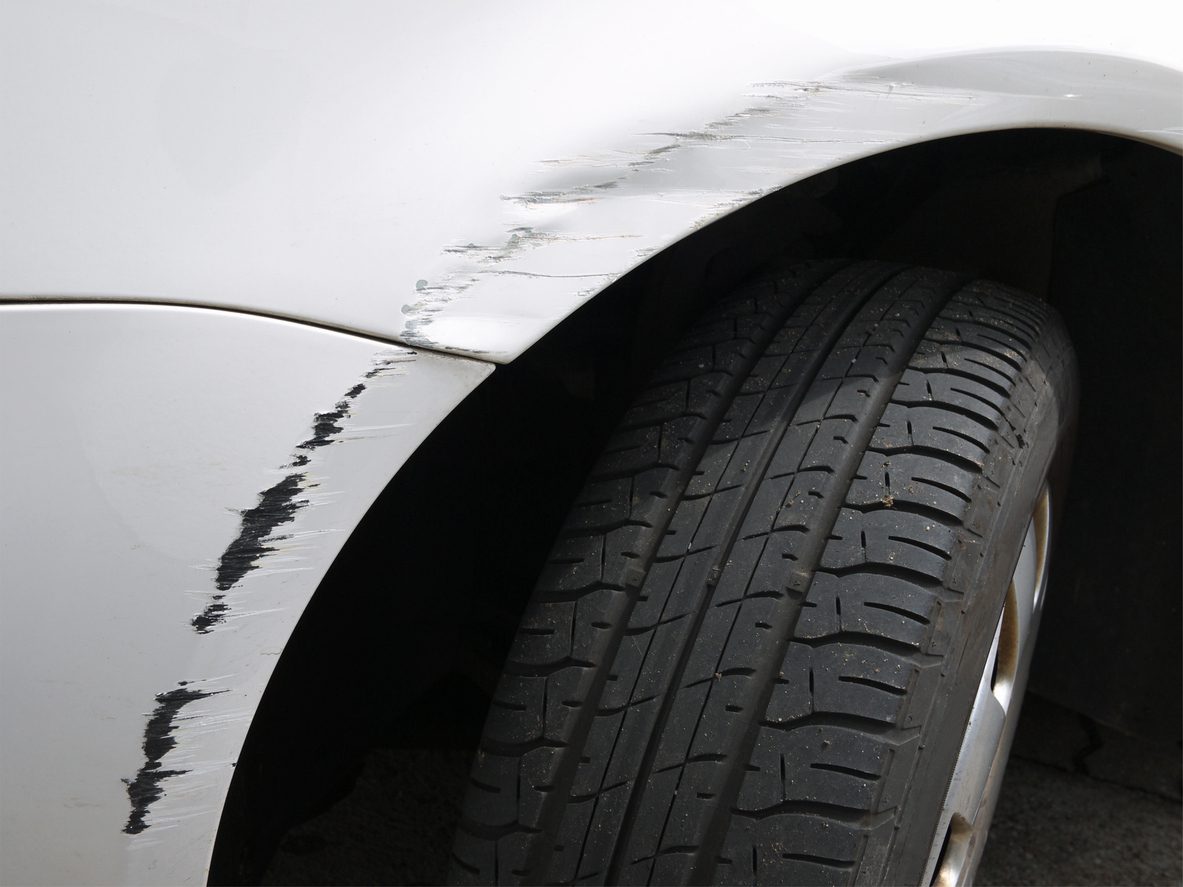
When Should You Leave Car Scratch Repair to a Professional?
DIY scratch repair is best kept to very light surface marks. When the damage is more serious, larger, or more visible, professional repair is usually safer.
You should consider professional car scratch repair if:
- The scratch catches your fingernail.
- The paint has cracked, chipped or lifted.
- Primer, plastic or metal is visible.
- Rust has started to form.
- The scratch is long or crosses more than one panel.
- The car has metallic, pearl or matte paint.
- The scratch is linked to a dent, a scuff, or an accident.
- The vehicle is leased, financed or due to be sold.
- You have already tried polishing, and the mark is still visible.
Visible scratches can also affect how a car looks to buyers, lease companies and dealerships. We explain this in more detail in our guide to how scratches affect your car’s value.
If the scratch is linked to a dent, our car dent repair Nottingham service may also be needed. If the damage requires wider paintwork, our car respray Nottingham service can help with colour-matched refinishing. Send your vehicle registration and clear photos so we can assess the damage and advise on the best repair.
How Professional Car Scratch Repair Works
Professional scratch repair is not only about covering the mark. Instead, the damaged area needs to be assessed, prepared and refinished properly so the repair blends with the surrounding paintwork.
At a body shop, the process may include:
- Inspecting the scratch and the surrounding panel
- Checking whether the damage affects clear coat, paint, primer or metal
- Cleaning and preparing the damaged area
- Machine polishing where suitable
- Applying touch-in paint for small localised damage where appropriate
- Carrying out colour-matched paintwork repair if needed
- Respraying the affected area or panel where required
- Polishing and checking the finish before handover
The exact process depends on the depth and location of the scratch. A small surface mark may only need polishing, while a deeper scratch may require preparation, paint, and a clear coat to restore the finish properly.
How Much Does Car Scratch Repair Cost?
The cost of car scratch repair depends on the type and severity of the damage. A light surface scratch is usually less involved than a deep scratch that needs preparation, paintwork, or respraying. For a minor surface scratch that can be polished out, repair typically ranges from £50 to £150, depending on the location and complexity of the damage.
Medium repairs, such as fixing a scratch that has gone through to the primer or involves minor paintwork, may cost between £150 and £300 per area. Deeper scratches that require respraying, colour-matching, or repairs across multiple panels can range from £300 to £700 or more. Costs vary based on vehicle type, paint finish, and extent of the damage, so a personalised estimate is always recommended.
Additional charges may apply if extra damage is discovered during inspection or if your vehicle has a specialist or unusual paint finish requiring more complex colour-matching or materials.
Factors that affect the cost include:
- How deep the scratch is
- How long the scratch is
- Whether one or more panels are affected
- Whether the paint has cracked or lifted
- Whether primer, plastic or metal is visible
- Whether machine polishing is enough
- Whether touch-up paint or colour-matched paintwork is needed
- Whether the panel needs respraying
- Whether there is also a dent, bumper scuff or accident damage
The most accurate way to understand the cost is to send clear photos and your vehicle registration so our team can assess the scratch and provide a free estimate.
Does Insurance Cover Car Scratches?
Whether insurance covers car scratches depends on your policy, the cause of the damage and whether it is worth making a claim.
For minor cosmetic scratches, it may not be cost-effective to claim through insurance, given the policy excess and the possibility of higher premiums in the future. Before deciding, consider the total repair cost compared to your excess.
If the repair cost is similar to or less than your excess, paying out of pocket may be a better option. Also, keep in mind that some claims can lead to an increase in your annual insurance premium when you renew. For cases like vandalism, accident damage, or scratches across multiple panels, where repair costs are higher, contacting your insurer to discuss your options may be worthwhile.
If the scratch was caused by a collision or more serious impact, the damage may need to be assessed as part of an accident repair rather than a simple scratch repair.
Need Help With Scratched Paintwork?
If your car has scratches, scuffs, paint damage or related bodywork damage, we can help from our Nottingham body shop. We also offer repair services in Derby, Stapleford, Beeston, Bingham, and Mansfield.
At Fleetcare Accident Repair Centre, we have over 35 years of experience repairing vehicle bodywork. We help private customers, lease vehicle drivers, commercial vehicle owners and insurance customers with scratch repairs, bumper scuffs, paintwork repairs, dents, resprays and accident-related damage.
For your peace of mind, all our repair work is guaranteed. We offer a warranty on our repairs so you can drive away with confidence and peace of mind.
We will assess the scratch, explain the likely repair route and provide a free estimate before any work is booked. To help us properly review the damage, please send your vehicle registration and clear photos of the affected area.
Request your free estimate today.
Car Scratch Repair FAQs
Can I remove scratches from my car myself?
You may be able to reduce light surface scratches yourself if they only affect the clear coat. If the scratch catches your fingernail, exposes primer or metal, or has cracked the paint, it is safer to get professional advice before trying to repair it.
How do I know if a scratch is too deep to polish out?
Clean the area and gently run your fingernail across the scratch. If your nail catches, the scratch is likely deeper than the clear coat and may need touch-up paint, paintwork repair or respraying.
Do scratch repair pens work?
Scratch repair pens can help with small chips or narrow scratches, but they depend heavily on colour match and careful application. They are less suitable for long scratches, wide damage, metallic finishes or scratches across multiple panels.
Can toothpaste remove car scratches?
Toothpaste may reduce the appearance of very light, clear coat marks, but it is not a proper car scratch repair product. It should not be used on deep scratches, cracked paint, exposed primer or damaged panels.
Can WD-40 remove car scratches?
WD-40 does not remove scratches or repair damaged paint. It may temporarily make light marks look less visible, but the scratch will still be there once the surface dries or is cleaned.
Will my car scratch need respraying?
A scratch may need respraying if it has damaged the colour coat, exposed primer, crossed a larger area or cannot be blended cleanly. We can assess the scratch and explain whether polishing, touch-up paint, paintwork repair or respraying is the best option.
Can you repair bumper scuffs and scratches?
Yes, we can assess bumper scuffs, scratches and related paintwork damage. Some bumper marks can be repaired locally, while more serious damage may require preparation, refinishing, or replacement, depending on the bumper’s condition.
Can you repair scratches on lease vehicles?
Yes, we can help with lease vehicle scratches, bumper scuffs, dents and paintwork damage before return. Repairing visible damage before handover may help reduce avoidable end-of-lease charges.


