
Would your car pass its MOT? Unsure what’s involved? Then do not worry, Fleetcare have put together all the checks that are covered in your MOT. This way you know what main elements are involved in an MOT and how to be sure you’ll pass. Come and discover the range of checked and tests that are completed during an MOT, this will not only make you more aware of what to look after and check, but keep an eye on yourself too. From your brakes to lights, steering to your seat belts, there isn’t much that doesn’t get checked over during your MOT, so be sure that your vehicle has no way of failing and find out the checks and tests that your car will be put through from Fleetcare today.
Did you know… Nearly a half of all faults in an MOT could be avoided by simply maintaining and checking your car? This means that by checking items like your: lights, wiper blades, tyres and brakes could save you the costs of failing an MOT. So something as simple as regularly checking your vehicle and its elements could in fact save you money in the long run. Ensure your vehicle passes first time by completing all the regular checks, you’ll be amazed at just how much time, effort and money you will save!
MOT Test – Checks and Testing
Lights
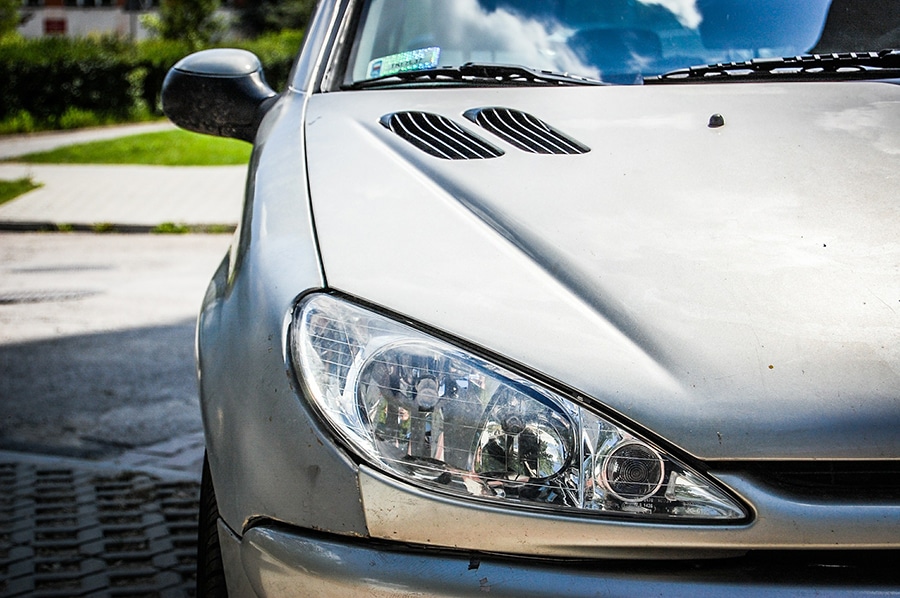
An MOT will test the condition, operating, security and colour of your current lights. The front, rear, brake, fog, indicator and registration plate lights and reflectors will be checked over during your MOT. this will ensure that they are all functioning correctly, in good condition and are of the correct colour. Your headlamp will also be checked to see if they are aimed correctly.
Vehicle Identification Number
Included within an MOT test is a check on your vehicle identification number (VIN), this number is a unique code which has been stamped onto your vehicle. Your VIN code must be present and legibly displayed on your vehicle.
Registration Plate
A registration plate must be fitted to both the front and rear of your vehicle. Each registration plate must be secure, clear and easy to view from someone standing 20 metres away.
Steering and Suspension
The MOT tester will check over your steering and suspension components to ensure they are function correctly and operating smoothly. Any problems with your steering or suspension could result in an MOT test failure.
Windscreen
The condition of your windscreen will be checked over to ensure there is no cracks or issues There should be no damage to the windscreen directly in front of the driver more than 10mm. There also shouldn’t be any other damage to the rest of the windscreen larger than 40mm.
Wipers and Washer Bottle
Your wipers will be checked over to ensure that there has been no damage to them and work correctly. Prior to your MOT make sure that your wipers are working fine and that your screenwash has been topped up.
Horn
The horn will be checked and assessed to see if it emits a continuous note. The horn should also be loud enough so that it can be heard by another road user, so it will be checked on the level of noise transmitted to ensure it is loud and clear.
Seat Belts
All seat belts within your vehicle will be checked for the: type, condition, correct operation and security of the seat belts. Your seat belts must be in good condition and working in order for your car to pass the test, if not this could cause life changing consequences for you and/or other road users.
Seats
During the MOT test the front seats will be checked over to test the security of each seat and ensure they are safe and secure enough for you and any passengers.
Doors
The doors will be checked by the MOT tester to ensure they are opening and closing correctly and that the latch is secure. Both front doors must be able to be opened from in and outside the vehicle.

Bodywork
The vehicle’s structure and body shell will be checked and inspected during your MOT test to ensure that there is no excessive corrosion or damage. If there is any sharp edges to the bodywork, you could fail your MOT.
Fuel System
Your vehicle’s fuel system will be checked and analysed for any leaks or problems and to ensure the tank cap seals properly.
Emissions
The tester who carries out your MOT will use a gas analyser probe whilst your engine is running to test the level of smoke that is emitted from your vehicle’s exhaust. This will test the carbon monoxide and hydrocarbons as they must fall within the legal limit otherwise you could fail your MOT.
Mirrors
The mirrors both in and out of your car will be checked to ensure there is no cracks, smashes or problems with the current condition of the mirrors. This can affect the safety of both you and other road users, as well as the quality of your driving if you can not see others easily.
Wheels and Tyres
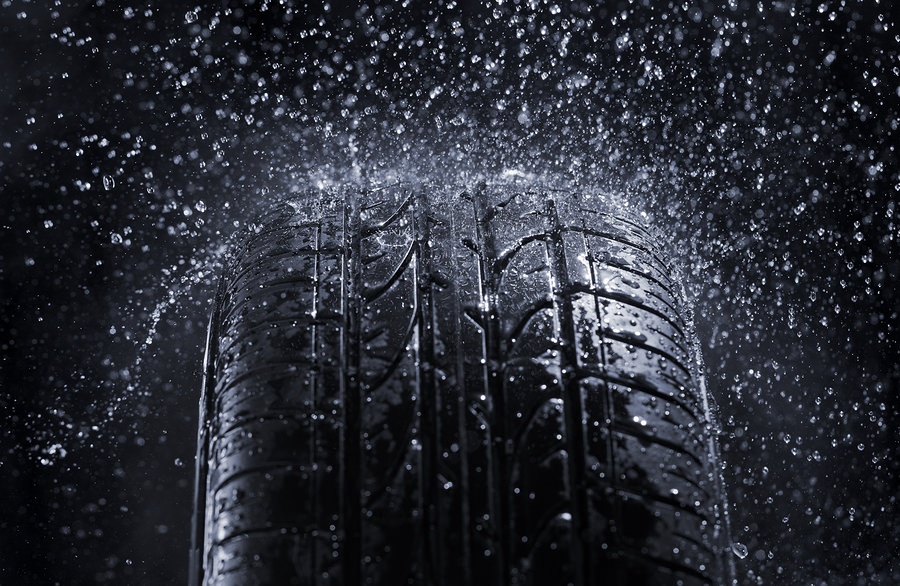
A common failure in an MOT is the types. This can be caused by the tyres being under the minimum tread depth allowance. The legal minimum tread depth of your type is currently 1.6mm so ensure your car is well within this measurement prior to your test. You can do this by using a 20 pence coin to check your tread depth. Both your tyres and wheels will be tested and inspected to ensure there is no lumps, bulges, tears or any other signs of damage.
Brakes
The condition of your breaks will be tested to ensure the pedals, levers and brakes themselves are functioning correctly. Expect a brake performance test to be carried out on your car to make sure that your brakes are working effectively. Your vehicle will also be checked to see if there is any warning lights showing on your car.


